Are you looking for solutions to enhance productivity and precision for your mechanical workshop as we enter 2026? Current welding technology trends for 2026 focus heavily on integrating Artificial Intelligence (AI), flexible automation through collaborative robots (cobots), and a shift toward high-performance fiber laser welding machines.
These changes not only optimize processing speeds but also meet stringent standards for “green welding” and environmental protection in the Industry 4.0 era.
2026 Welding Technology Trends Prioritize Automation and Precision Performance
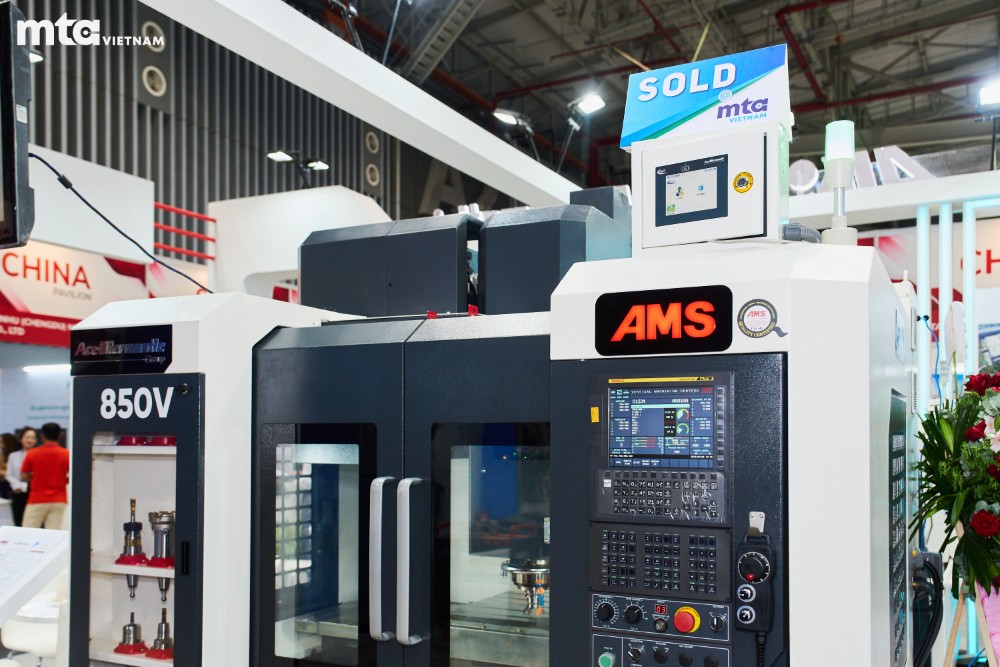
The 2026 welding technology landscape primarily revolves around the application of smart automation to replace outdated manual processes. The industry’s focus during this period is the combination of high-precision equipment and real-time data management software systems.
This allows manufacturing enterprises to maintain absolute control over joint quality, even when processing complex components.
 See more: 11+ Automation Technology & Industrial Exhibitions 2026
This shift is occurring rapidly as Vietnam’s manufacturing industry strives for digital transformation. Adopting new technologies helps solve the shortage of high-level skilled welders and significantly cuts operating costs. Instead of focusing solely on machine power, modern manufacturers prioritize solutions with high connectivity and flexibility within smart production lines.
The rise of new materials in the electric vehicle (EV) and aerospace industries is also driving the development of advanced welding techniques. Pulse welding, laser welding, and collaborative robots are becoming the main pillars helping businesses enhance their competitiveness in the global supply chain.
Breakthroughs from High-Power Fiber Laser Welding Technology
Capability to Process Ultra-Thin Materials and Reflective Metals
The greatest strength of fiber laser technology in 2026 is its ability to handle ultra-thin workpieces without causing burn-through. Difficult materials such as aluminum, copper, and reflective alloys—which were traditionally challenges for TIG welding—have now been thoroughly addressed.

This technology is particularly vital in the production of electronic components and EV battery casings due to its ability to control energy precision down to the millimeter.
Speed Matching Program Compared to Traditional Techniques
The processing speed of next-generation fiber laser welding machines is 5 to 10 times faster than manual arc welding. This allows mechanical shops to accelerate production schedules and increase output without needing to expand factory floor space.
When choosing to purchase a 2026 handheld laser welder, businesses typically focus on the stability of the laser source and the capability for continuous operation in heavy industrial environments.
Minimizing Thermal Distortion and Saving Post-Weld Grinding Time
An undeniable advantage is the extremely small Heat-Affected Zone (HAZ) of the laser beam. Because heat is concentrated on a very narrow point, warping or thermal distortion on the metal surface is almost eliminated.
The result is high-penetration welds that are smooth and flat, helping businesses maximize time and cost savings on post-weld grinding or cleaning stages.
Outstanding Safety When Working Directly Alongside Humans
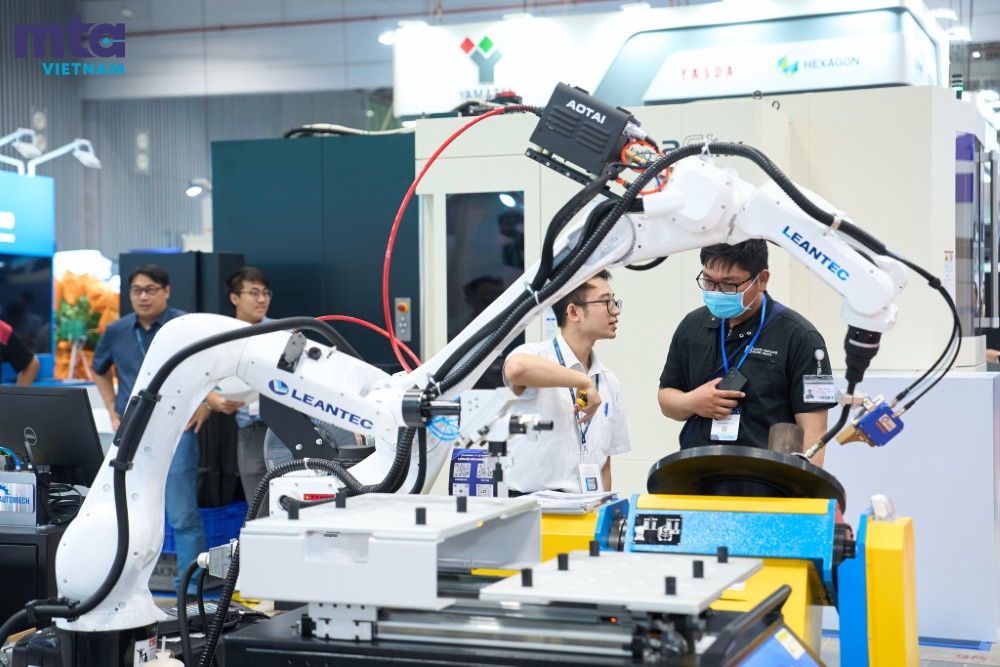
The new generation of collaborative welding robots (cobots) is equipped with ultra-sensitive collision sensors. Upon detecting an obstacle or unintended contact with a human, the robot automatically stops operation immediately to ensure safety.
This feature optimizes workspace and creates a friendly production environment where machines and humans support each other to complete repetitive tasks with precision.
Simplified Programming Procedures for Non-Specialized Welders
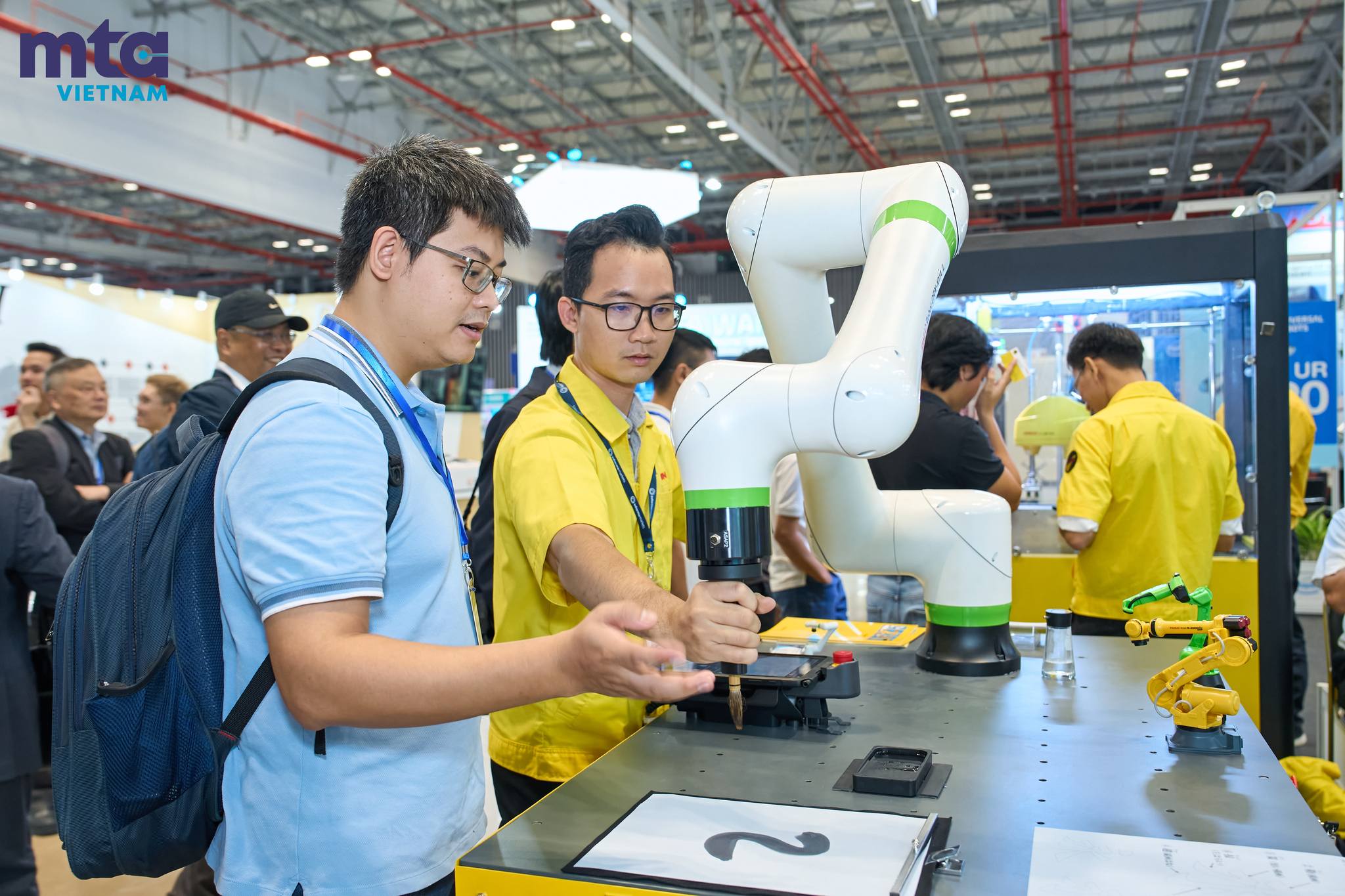
2026 marks a significant simplification in robot programming technology. Operators no longer need in-depth knowledge of complex code; instead, they can “teach” the robot the weld path by guiding the arm by hand (lead-through programming).
Quotations for collaborative welding robots now often include intuitive interface software packages, helping welders quickly master the equipment after just a few hours of short-term training.
Integrating Flexible Robotic Arms into Small-Scale Production Lines
Automated welding solutions for SMEs are becoming increasingly practical thanks to the flexibility of robotic arms. These devices can easily be mounted on jigs or mobile trolleys to move between different workstations.
This multi-tasking capability allows robots to participate in various stages, from tack welding to finish welding, making them suitable for low-volume orders that require constant design changes.
Portability and Adaptability to Various Assembly Spaces
The compact design of cobots helps them adapt well to mechanical workshops with limited space in Vietnam. Businesses can maximize existing infrastructure without investing in complex safety systems.
This is the key factor making competitively priced industrial welding robots a top choice for production managers looking to modernize their factories quickly.
AI-Powered Weld Quality Management and Control Systems
Analyzing and Predicting Defects During the Process
AI systems are capable of analyzing parameters such as current, voltage, and shielding gas flow to predict potential defects like porosity or lack of penetration.
Instead of waiting for the finished product to be inspected, this monitoring technology allows the machine to stop or adjust parameters immediately when abnormal signs are detected. This reduces scrap rates and ensures high-precision welding for critical projects.
Smart Cameras Supporting Automatic Seam Tracking
Seam Tracking technology using AI cameras helps robots automatically find and follow the weld groove, even if the workpiece is misaligned or has errors during fit-up.
The system can self-adjust the torch angle and distance in real-time to maintain consistent joint quality. This is a major step forward in completely resolving workpiece deviation issues in mass production.
Operational Data Storage for Production Process Optimization
All data regarding the welding process is digitized and stored on cloud platforms. Managers can retrieve the operational history of each machine to analyze performance and plan predictive maintenance.
Possessing this data warehouse helps businesses continuously improve processes and build specific technical standards for each product type.
Green Welding Standards and Environmental Protection Efforts in Industry
Next-Generation Inverter Devices to Optimize Power Consumption
Modern inverter welding machines use advanced technology to minimize power loss during standby and operation. Compared to old transformer-based machines, next-generation devices can save up to 30% on monthly energy consumption.
Investing in this technology not only reduces production costs but also contributes to building a “green” brand image, meeting international ESG (Environmental, Social, and Governance) standards.
Source Fume Extraction Technology to Protect Worker Health
Factory welding fume extraction systems are now designed to be compact and integrated directly into the welding torch or robotic arm. Dust and toxic gases generated during the welding process are collected and treated at the source, preventing them from spreading into the surrounding environment.
This provides maximum health protection for welders and creates a cleaner, more professional workspace.
Opportunities for Hands-On Experience with Welding Tech at WeldTech Vietnam 2026
To gain the most practical and objective view of the aforementioned technology trends, businesses should not miss the WeldTech Vietnam 2026 exhibition. This is a large-scale specialized event within the MTA Vietnam ecosystem, organized by Informa Markets – the world’s leading exhibition organizer from the UK.
WeldTech Vietnam 2026 will take place in Halls A1 and A2 of the SECC center, Ho Chi Minh City. Here, leading brands will showcase the most advanced WeldTech Vietnam equipment for visitors to test directly.

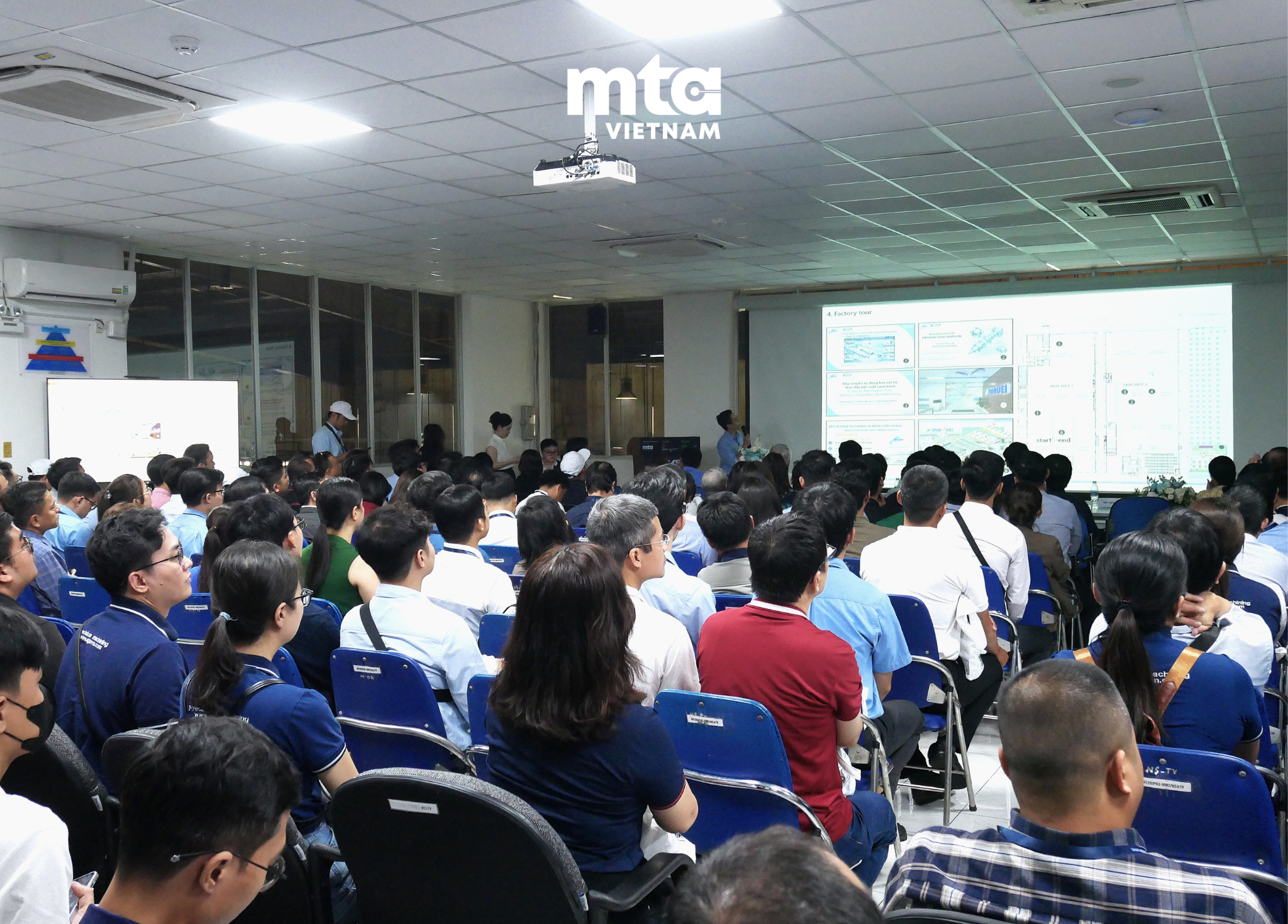
Observing the machines operating on actual sample workpieces will help you accurately assess the technology’s effectiveness before making an investment decision.
In addition to the display area, the technical seminar program will be a gathering place for leading industry experts. Discussions will focus on hot topics such as AI applications in welding, welding solutions for aluminum, and the latest 2026 safety standards.
The presence of international pavilions, especially from Japan, Germany and Taiwan brings a diversity of technological solutions. Through the Speed Matching program, Vietnamese enterprises can connect directly with reputable suppliers to establish long-term partnerships. In particular, this year’s business connection program with JETRO dedicated to hardware and hand tools will bring many new opportunities for visitors.
Running concurrently with WeldTech is the ToolTec & Hardware 2026 exhibition. This is an ideal destination to find hand tools, hardware components, and auxiliary equipment for mechanical workshops. The synergy of four exhibitions—Metrology Vietnam, ToolTec & Hardware, WeldTech Vietnam, and VINRA (Automation and Industrial Robotics)—creates the most comprehensive manufacturing ecosystem in Vietnam.
If you are interested in booking a booth to introduce products or wish to become a sponsor for the MTA Vietnam 2026 exhibition, please contact our dedicated team for detailed advice:
- Exhibiting: Sally Nguyen | Tel: +84 28 3622 2588 (168) | Email: [email protected]
- Visiting Dara Nguyễn | +84 3622 2588 (125) | [email protected]
- PR & Conferences: Jocelyn Doan | Tel: +84 3622 2588 (116) | Email: [email protected]
- Speed Matching: Mrs. Cassie Le | Tel: +84 768613914 | Email: [email protected]
- Operations & Logistics: Tracy Nguyen (Ms. Thuy) | Tel: +84 3622 2588 (136) | Email: [email protected]
- Office Address: SES Vietnam Exhibition Services Co., Ltd., Ha Phan Building, No. 17-17A-19 Ton That Tung Street, Ben Thanh Ward, Ho Chi Minh City, Vietnam.
Considerations When Investing in and Upgrading Next-Generation Welding Systems
Assessing Machine Compatibility with Actual Workpiece Samples
Each line of laser welding machines or robots has specific technical characteristics suited to different material types and thicknesses. Businesses should bring their actual workpieces to the exhibition for trial testing.
This helps accurately determine if the welding speed, penetration, and joint quality meet customer requirements before signing a procurement contract.
Selecting Genuine Equipment and Replacement Part Suppliers
Modern systems like collaborative robots or fiber laser welders require precise maintenance schedules and genuine replacement parts.
Choosing reputable partners present at the exhibition ensures you receive professional after-sales service and a source of genuine components. This is extremely important for maintaining the long-term stability of the production line.
See more: What is a Fiber Laser Cutting Machine? Advantages & 2026 Trends