Have you ever wondered how CNC machines will evolve over the next few years? 2026 marks a turning point where cutting technology is no longer merely mechanical; it has become a convergence of Artificial Intelligence (AI) and sustainability.
This article shares the most critical technological shifts that you can personally witness at the upcoming MTA Vietnam exhibition.
2026 CNC Machine Trends
The 2026 CNC machine trends focus heavily on integrating AI, green manufacturing, and multi-tasking capabilities within a single system. This shift addresses the demand for flexible production and cost optimization amidst a rapidly changing global supply chain.

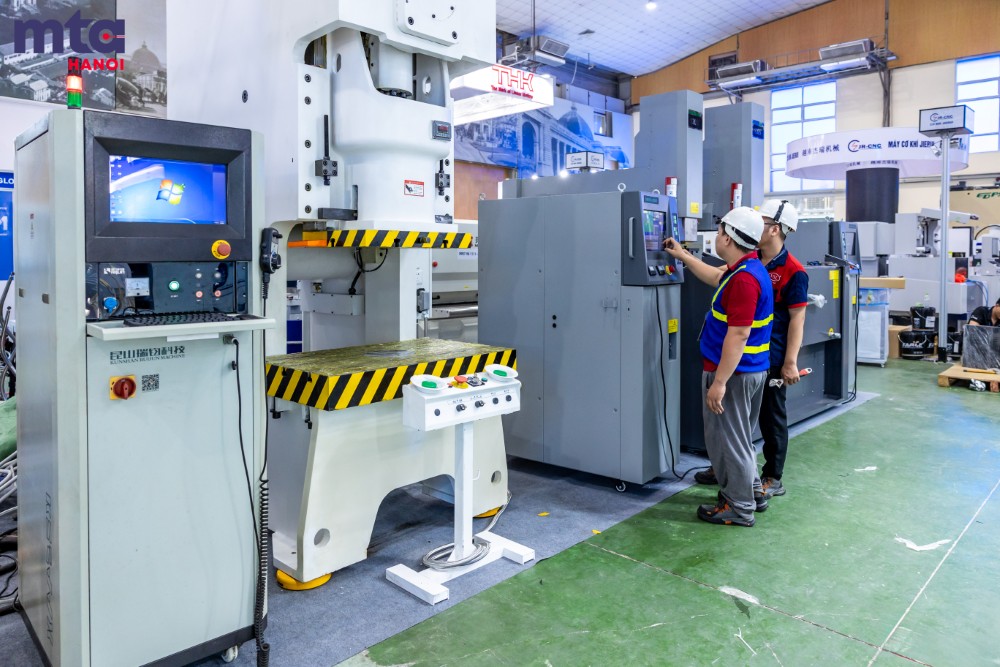
Factories in Vietnam are gradually moving toward smart manufacturing models where machines possess the ability to interact and make autonomous decisions.
In 2026, new-generation machine lines will prioritize autonomous operation to minimize human intervention. This not only boosts productivity but also solves the challenge of a high-quality labor shortage in the engineering industry. Energy consumption optimization has also become an inseparable part of modern machine design.
The development of CNC machines in the near future will no longer be isolated from the digital ecosystem. Each machine will serve as a massive data collection station for factory management. Operators will no longer need to perform complex setups or manual alignments, thanks to the support of intelligent algorithms.
Artificial Intelligence and Digitalization of CNC Machining Processes
The explosion of AI allows CNC machines to do more than just execute cutting commands; they can now learn and adjust their behavior. This technology enables systems to identify even the smallest variations during machining to automatically compensate for errors.
As a result, scrap rates are minimized while the lifespan of expensive cutting tools is extended.
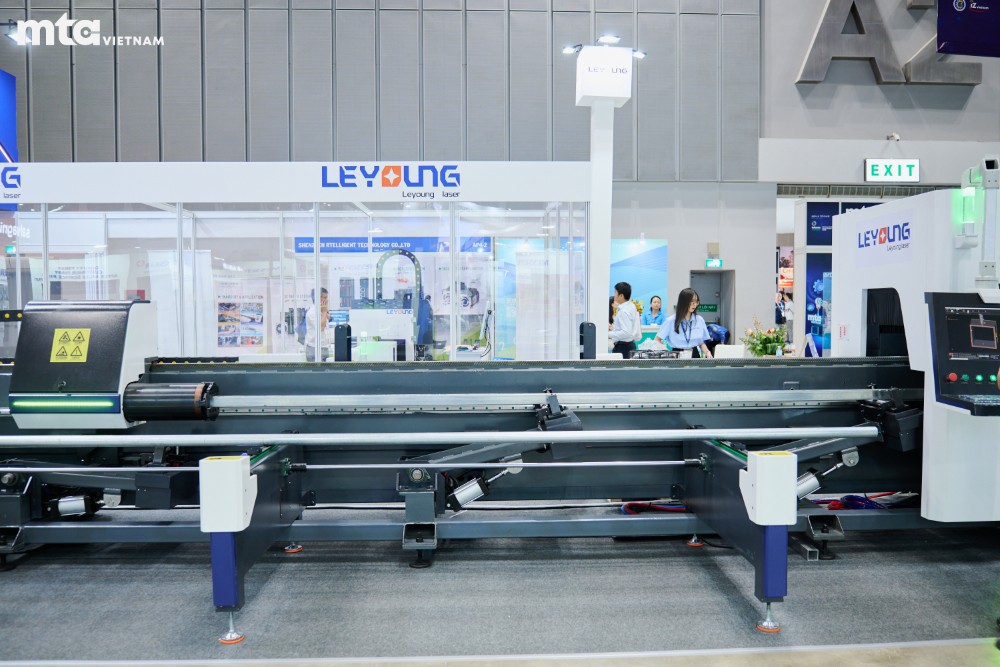
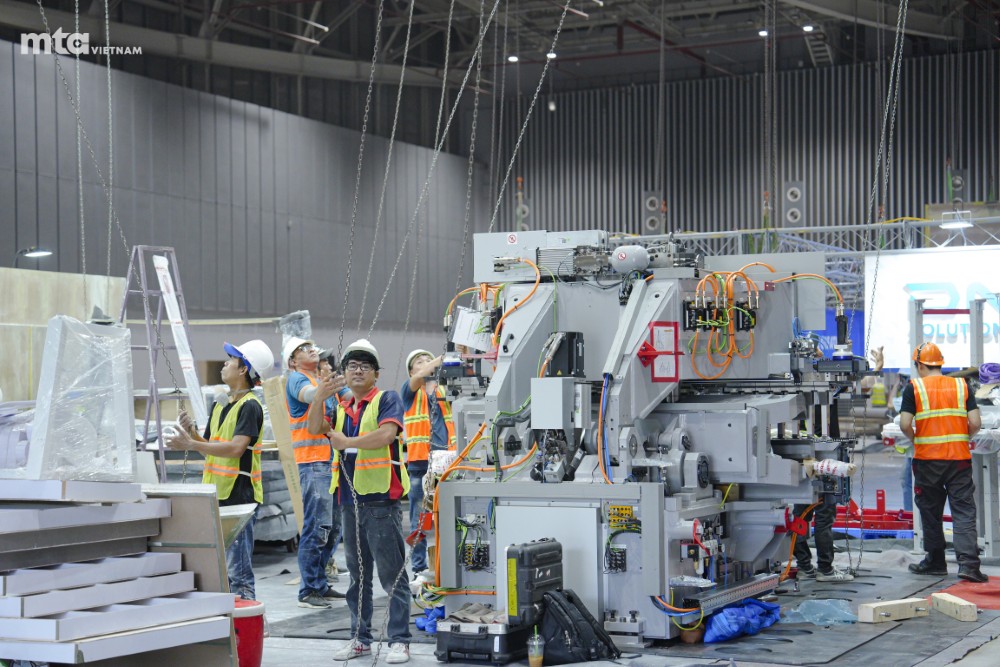
Digital systems allow for the creation of precise “digital twins” of the production process. Businesses can simulate the entire cutting process in a virtual space before implementing it on the physical machine.
Automated Path Optimization Software
Next-generation software can calculate the most optimal toolpaths based on part geometry and material characteristics. Instead of relying solely on a programmer’s experience, the machine automatically selects the cutting method that significantly shortens machining time.
Sensor Systems for Condition Monitoring
Smart sensors are embedded deep within the spindle and machine bed to monitor vibration and temperature. When anomalies are detected, the system automatically reduces speed or stops the machine to protect critical components. Information from these sensors is sent directly to management’s mobile devices for real-time monitoring.
Data-Driven Predictive Maintenance Solutions
Instead of waiting for a breakdown to repair, predictive maintenance solutions notify users in advance when components need replacement. Based on actual operating data, AI scientifically calculates the wear rate of bearings or ball screws. This approach helps businesses be proactive in production planning and avoid unintended downtime.
Multi-Axis Machining and Multi-Tasking Integration
The transition from 3-axis to 5-axis machining and the integration of multiple functions into a single machine frame are mandatory requirements to enhance productivity. The ability to machine complex parts in a single setup eliminates cumulative errors caused by re-fixturing.

Multi-tasking machining allows the machine to simultaneously perform milling, turning, drilling, and grinding operations on the same system. This significantly reduces the required floor space and the investment costs for multiple individual machine lines. This trend is being strongly embraced by precision engineering firms in Vietnam to optimize production processes.
High-Precision 5-Axis Milling Machines
5-axis milling represents the pinnacle of current cutting technology, offering the ability to approach parts from any angle. This technology enables the creation of complex curved surfaces with ultra-high surface finishes that 3-axis machines cannot achieve.
Integrated Multi-Functional Machining Centers
Combining the power of a milling machine with the speed of a lathe creates incredibly versatile machining centers. Businesses can complete a component from raw blank to finished product on a single piece of equipment.
Complex Machining in a Single Setup
Complex machining ensures absolute concentricity and parallelism of part surfaces. By eliminating the need for multiple setups, the risk of operator error is minimized. This technique is particularly vital for manufacturing engine parts or hydraulic components that require high sealing integrity.
Green Manufacturing Standards and Energy Efficiency
2026 will see stricter regulations regarding emissions and power consumption in the manufacturing industry. CNC machine manufacturers are striving to improve hardware by using high-efficiency motors and energy recovery systems.
Green manufacturing also includes the use of eco-friendly, biodegradable coolants. Minimum Quantity Lubrication (MQL) systems are gradually replacing traditional flood cooling to minimize liquid waste.
The highlight of the green production trend is the ability to recycle excess energy from spindle braking, returning it to the grid or storing it for other machine components.
The Synergy Between Machining Centers and Industrial Robots
The combination of CNC machines and robots is no longer two separate entities but a blend into closed-loop automated lines. Robots replace humans in repetitive tasks such as workpiece loading, unloading, and quality inspection. This seamless coordination allows factories to operate 24/7 without direct human supervision.

See more: 11+ Automation Technology & Industrial Exhibitions 2026
This trend is strongly driven by the development of automation systems and industrial robotics in Vietnam. Collaborative robots (cobots) can work safely alongside humans without the need for bulky safety barriers.
Integrating robots into CNC machines liberates labor and allows workers to focus on higher-value intellectual tasks. In the near future, we will see Automated Guided Vehicles (AGVs) transporting workpieces between CNC cells entirely autonomously.
Technology Experience and Demonstrations at International Exhibitions
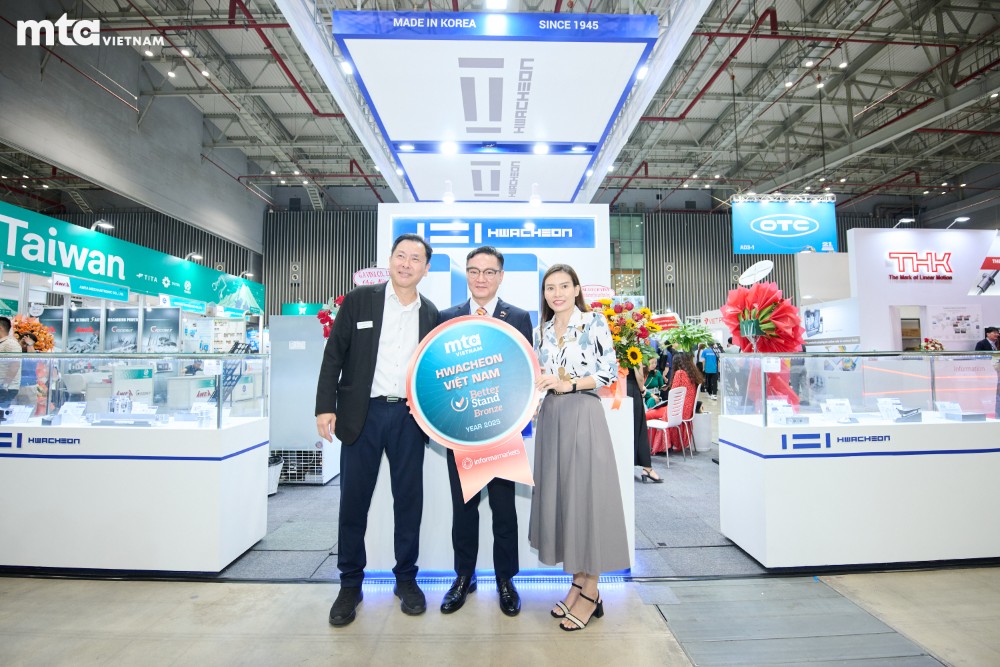
Theory on trends is only valuable when verified firsthand through practical experience. Participating in leading engineering exhibitions is the fastest way for Vietnamese businesses to access international pavilions from Germany, Italy, Japan, or Taiwan. Here, you can speak directly with factory engineers to understand how a machine can meet your specific needs.
Practical experience also includes observing machines operating live on difficult-to-machine materials. In-depth seminars accompanying the exhibition provide technical analysis and lessons learned from global experts.
Furthermore, Speed Matching programs – such as those coordinated with JETRO—connect Vietnamese firms with prestigious Japanese suppliers, opening doors for cooperation and technology transfer.
MTA Vietnam 2026 – The Leading Precision Engineering Exhibition in Vietnam
With over 20 years of development, MTA Vietnam has solidified its position as the premier international exhibition and seminar for precision engineering in Vietnam. The event gathers more than 450 exhibitors from over 21 countries and territories.
MTA Vietnam 2026 will take place from July 1st to 4th, 2026, at the Saigon Exhibition and Convention Center (SECC). The exhibition will utilize halls A1, A2, and B1 to showcase thousands of modern machines.
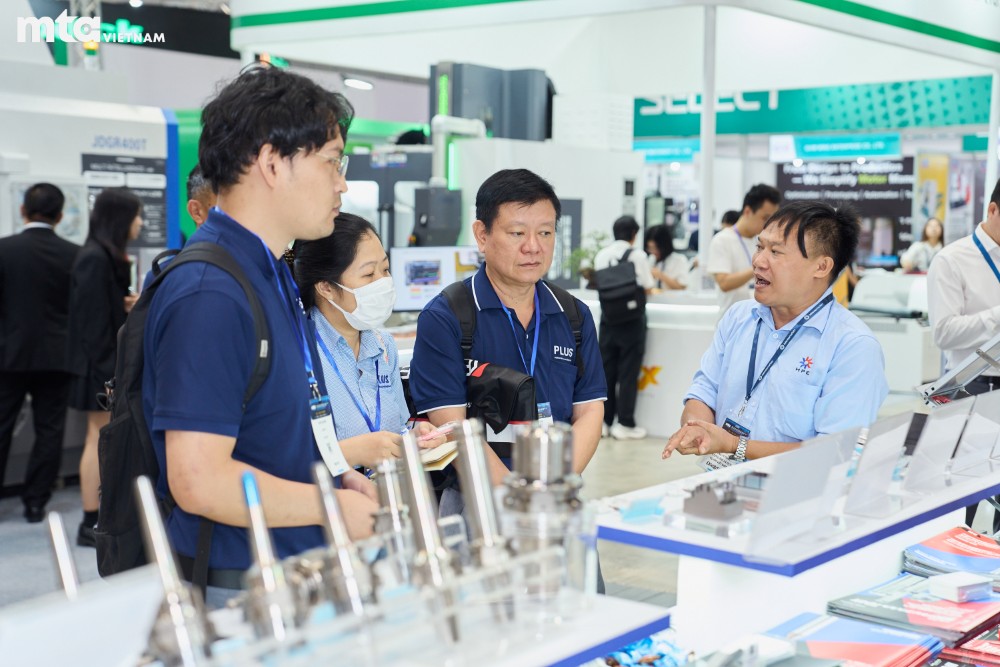
Beyond CNC machines, visitors can explore synergistic fields such as Metrology Vietnam, ToolTec & Hardware, and WeldTech Vietnam.
Contact for Participation and Sponsorship:
- Exhibiting: Sally Nguyen | Tel: +84 28 3622 2588 (168) | Email: [email protected]
- Visiting: Dara Nguyễn | +84 3622 2588 (125) | [email protected]
- PR & Conferences: Jocelyn Doan | Tel: +84 3622 2588 (116) | Email: [email protected]
- Operations & Logistics: Tracy Nguyen (Ms. Thuy) | Tel: +84 3622 2588 (136) | Email: [email protected]
- Office Address: SES Vietnam Exhibition Services Co., Ltd., Ha Phan Building, 17-17A-19 Ton That Tung, Ben Thanh Ward, Ho Chi Minh City, Vietnam.
Frequently Asked Questions (FAQ) about CNC Machines?
Will 2026 CNC machines be more expensive?
The initial investment for AI-integrated machine lines is typically higher than traditional machines. However, the value derived from energy savings, reduced scrap, and lower labor costs will help businesses achieve a faster return on investment (ROI) in the long run.
How can I access international CNC machine suppliers?
You should participate in Speed Matching Programs at specialized exhibitions like MTA Vietnam to meet official brand representatives directly. This is the safest and most effective way to learn about warranties and local technical support.
Do small businesses need to upgrade to 5-axis machines?
Upgrading depends on the complexity of the products the business is targeting. If you plan to manufacture high-precision components for supporting industries, investing in 5-axis machines is a strategic move to maintain competitiveness.
When does the MTA Vietnam exhibition take place?
The event is scheduled for July 1st to 4th, 2026, at the Saigon Exhibition and Convention Center (SECC), 799 Nguyen Van Linh, Ho Chi Minh City
How can I receive travel support for the exhibition?
The MTA Vietnam organizers often implement travel and accommodation support programs for groups of ten or more visitors, depending on geographical distance. Groups from Da Nang northward or other southern provinces may receive different support packages according to the policy of the year.
The manufacturing landscape is shifting faster than ever. To see how new technologies are redefining efficiency, check out our full analysis on the Latest Trends in Manufacturing Cutting Tools 2026